fb777 Avoiding Common Betting Mistakes
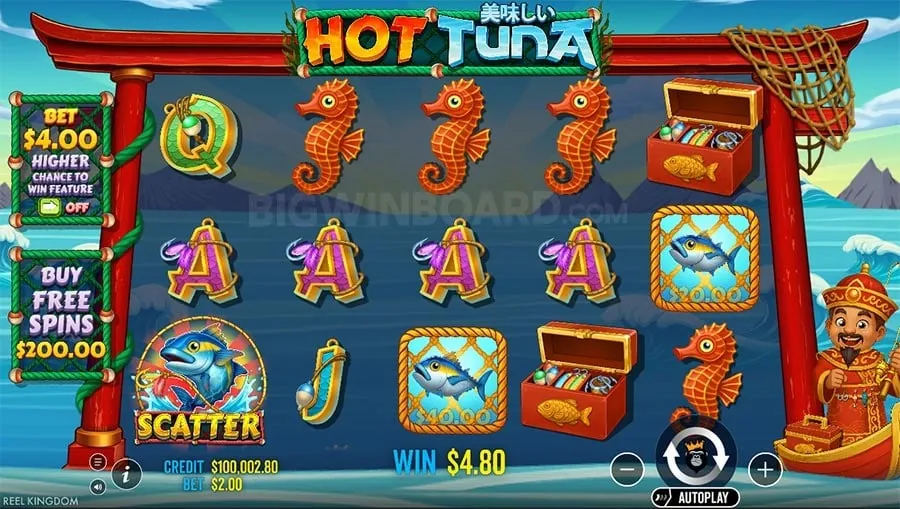
fb777: Avoiding Common Betting Mistakes for a Smarter Online Casino Experience
In the exhilarating world of online casinos, particularly in the vibrant Philippine market, making informed decisions is paramount to a rewarding experience. While the thrill of the game is undeniable, many players, both new and experienced, often fall prey to common betting mistakes that can quickly diminish their enjoyment and their bankroll. This comprehensive guide, brought to you by fb777, aims to illuminate these pitfalls and provide actionable strategies to navigate them successfully. We will delve into the nuances of various betting approaches, comparing common misconceptions with effective practices, all within a mobile-first context that defines modern online gaming. By understanding and avoiding these prevalent errors, you can significantly enhance your chances of success, manage your funds wisely, and truly savor every moment of your online casino journey with fb777.
As a leading platform in the Philippines, fb777 understands the unique dynamics of mobile gaming and the importance of responsible betting. This article will provide a side-by-side comparison of common errors versus smart strategies, covering everything from bankroll management to understanding game mechanics. Whether you're spinning slots, engaging in live dealer games, or exploring sports betting options, arming yourself with this knowledge is your first step towards a more strategic and enjoyable betting adventure. Let's explore how to transform potential losses into learning opportunities and elevate your game with fb777.
Table of Contents
- Poor Bankroll Management vs. Strategic Budgeting
- Ignoring Game Rules and Odds vs. Understanding Mechanics
- Chasing Losses vs. Disciplined Play
- Emotional Betting vs. Rational Decision-Making
- Misunderstanding Bonuses and Promotions vs. Leveraging Them Wisely
- Ignoring Mobile Platform Features vs. Optimizing Your Experience
Poor Bankroll Management vs. Strategic Budgeting
Concept/Background: The Foundation of Responsible Betting
One of the most critical aspects of online casino gaming, especially on mobile-first platforms like fb777, is effective bankroll management. Many players, particularly beginners, dive into games without a clear budget, leading to impulsive decisions and potential overspending. Poor bankroll management often manifests as betting more than one can afford to lose, chasing big wins with disproportionately large stakes, or failing to set limits.
The Mistake: Lack of a Defined Budget
Players often make the mistake of depositing funds without a pre-determined limit for their betting sessions. They might see a large balance and feel compelled to place larger bets, thinking it will lead to bigger payouts. This often results in quickly depleting their funds and experiencing frustration.
The Solution: Strategic Budgeting and Setting Limits
A strategic approach to bankroll management involves setting a strict budget for each betting session or week/month. This budget should be an amount you are comfortable losing without impacting your financial well-being. For example, if you decide to allocate ₱5,000 for your weekly gaming on fb777, stick to it. Divide this budget into smaller units for individual bets. Many online casinos, including fb777, offer tools to set daily, weekly, or monthly deposit limits, as well as loss limits. Utilize these features to enforce discipline.
Practical Application: The 1-2% Rule
A common practical tip is the 1-2% rule, especially for high-volatility games like slots. This suggests that no single bet should exceed 1-2% of your total bankroll. For instance, if your bankroll is ₱10,000, your maximum bet should be ₱100-₱200. This strategy ensures longevity in your gaming sessions and protects you from rapid losses. On fb777, you can easily adjust your bet sizes on mobile to adhere to this rule, making it a seamless part of your strategy.
Ignoring Game Rules and Odds vs. Understanding Mechanics
Concept/Background: Knowledge is Power
Many players jump into games without fully understanding the rules, payout structures, or the house edge. This is particularly true for complex games like poker or certain table games, but even seemingly simple slots have intricate mechanics, volatility levels, and RTP (Return to Player) percentages. Ignoring these details is a significant oversight.
The Mistake: Playing Blindly
A common mistake is assuming all slots are the same, or that blackjack is purely about getting 21. Without understanding the specific rules, side bets, or optimal strategies, players make sub-optimal decisions that increase the house's advantage. This leads to avoidable losses and a less enjoyable experience.
The Solution: Research and Practice
Before placing real money bets on fb777, take the time to read the game's rules and paytable. Understand the RTP of slots, the house edge in roulette, or the basic strategy for blackjack. Many games offer a demo or practice mode, which is an excellent way to familiarize yourself without financial risk. fb777 provides detailed information for each game, accessible directly from your mobile device.
Practical Application: RTP and Volatility for Slots
For slot enthusiasts on fb777, understanding RTP and volatility is crucial. RTP indicates the theoretical percentage of all wagered money a slot will pay back to players over time. High RTP (e.g., 96%+) slots offer better long-term value. Volatility, on the other hand, describes the risk level. High volatility slots offer less frequent but larger wins, while low volatility slots offer more frequent but smaller wins. Choose games that align with your risk tolerance and bankroll. For instance, if you have a smaller bankroll, lower volatility slots might be a better choice to extend your playtime.
Chasing Losses vs. Disciplined Play
Concept/Background: The Gambler's Fallacy
Chasing losses is a common psychological trap where players, after experiencing a series of losses, increase their bet size or continue playing beyond their planned limits in an attempt to recover what they've lost. This behavior is often fueled by the